

Introduction
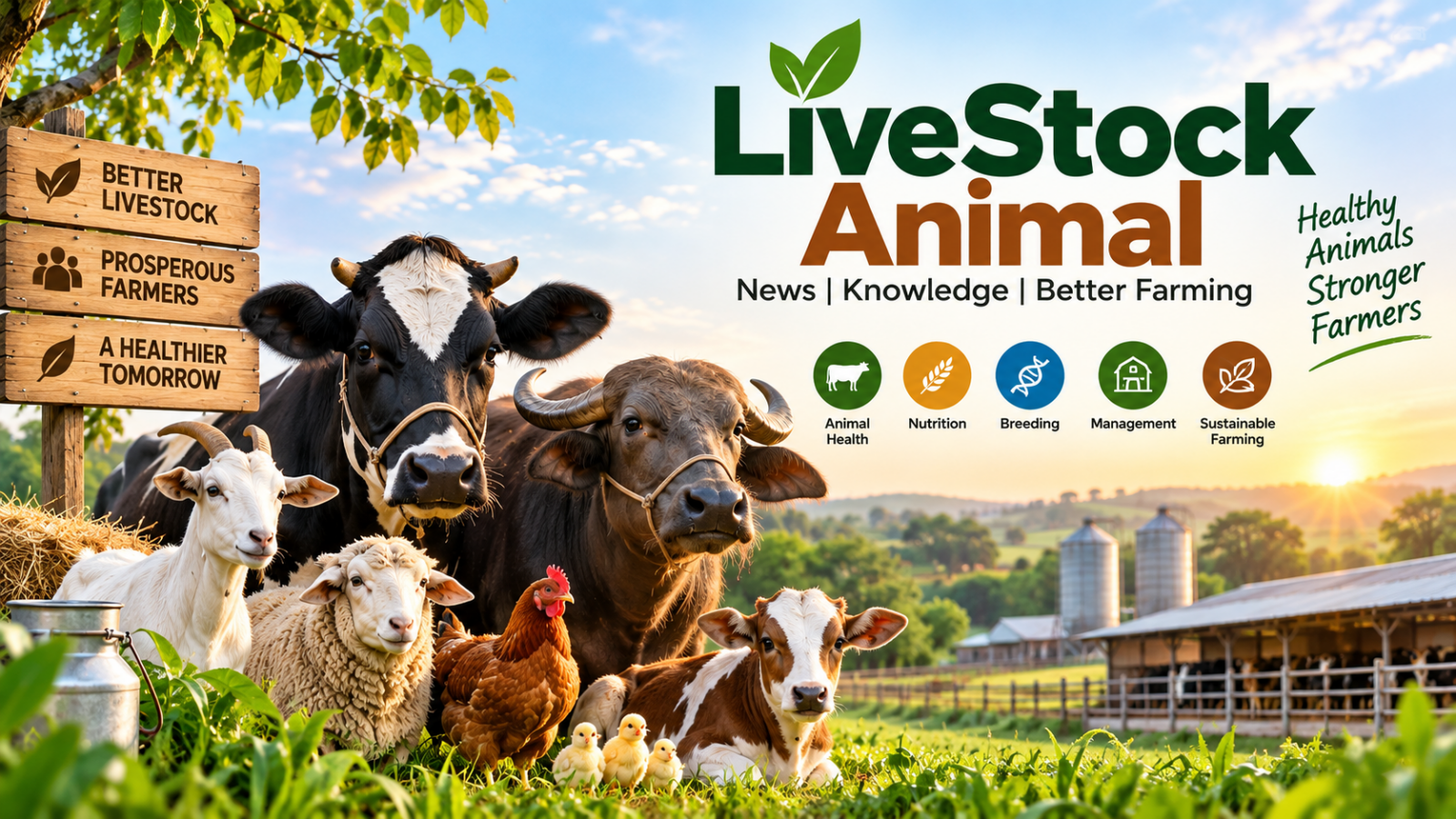
LiveStock Animal plays an important role in agriculture, food production, rural livelihoods, and the overall farming economy. Cattle, buffaloes, goats, sheep, pigs, poultry, and other domesticated animals provide essential products such as milk, meat, eggs, wool, hides, and manure.
With the growing demand for animal-based products, farmers are increasingly adopting better LiveStock Animal management practices. Proper nutrition, disease prevention, breeding management, housing, hygiene, and regular veterinary care can help improve animal health and farm productivity.
What Is a LiveStock Animal?
A LiveStock Animal is a domesticated animal that is raised and managed by people for agricultural or commercial purposes. These animals may be kept for milk, meat, eggs, fiber, breeding, manure, or other useful products.
Common livestock animals include:
- Cows
- Buffaloes
- Goats
- Sheep
- Pigs
- Poultry
- Camels
- Horses
- Other farm animals
Livestock farming can be carried out on small family farms as well as large commercial operations.
Importance of LiveStock Animal Farming
Livestock farming provides several economic and agricultural benefits.
1. Source of Milk and Dairy Products
Cows and buffaloes are important sources of milk. Milk is used to produce products such as curd, butter, paneer, cheese, and ghee.
2. Meat Production
Cattle, goats, sheep, pigs, and poultry contribute to meat production in regions where these products are consumed.
3. Employment and Rural Income
Livestock can provide an additional or primary source of income for farmers and rural households.
4. Organic Manure
Animal manure can be used as an organic fertilizer, helping farmers improve soil fertility and recycle farm resources.
5. Breeding and Genetic Improvement
Scientific breeding programs can help improve characteristics such as milk production, growth rate, disease resistance, and reproductive performance.
LiveStock Animal Nutrition
Proper nutrition is essential for maintaining healthy and productive animals. A balanced diet should provide appropriate amounts of energy, protein, minerals, vitamins, fiber, and water.
Depending on the species and production stage, livestock feed may include:
- Green fodder
- Dry fodder
- Grains
- Oil cakes
- Commercial feed
- Mineral mixtures
- Silage
- Clean drinking water
Farmers should adjust feeding according to the animal’s age, breed, body condition, pregnancy status, and production requirements.
LiveStock Animal Health Management
Maintaining good animal health is one of the most important parts of livestock farming. Farmers should regularly observe animals for changes in appetite, behavior, body condition, movement, milk production, and other signs of illness.
Important health-management practices include:
- Regular veterinary checkups
- Timely vaccination
- Parasite control
- Clean drinking water
- Proper sanitation
- Clean and well-ventilated housing
- Isolation of sick animals
- Maintaining farm hygiene
If an animal shows signs of serious illness, professional veterinary advice should be sought rather than relying solely on home remedies.
Breeding Management
Efficient breeding management can improve farm productivity and reproductive performance. Farmers should maintain records of breeding, artificial insemination, pregnancy, calving, and reproductive health.
Proper heat detection and timely breeding are particularly important in dairy animals. Repeated breeding without conception may indicate nutritional, reproductive, infectious, or management-related problems and should be evaluated by a veterinarian.
Housing and Hygiene for Livestock
A clean and comfortable housing environment helps reduce stress and the risk of disease. Livestock shelters should provide adequate space, ventilation, drainage, shade, and protection from extreme weather.
Regular cleaning of floors, feeding areas, water troughs, and equipment is also important.
Technology in Modern LiveStock Animal Farming
Technology is transforming livestock farming. Farmers can now use digital tools and modern equipment to monitor animal health, manage feeding, track breeding records, and improve farm efficiency.
Modern livestock management may include:
- Digital animal records
- Automated feeding systems
- Milk monitoring
- Electronic identification
- Temperature and activity monitoring
- Improved breeding technologies
- Data-based farm management
These technologies can help farmers make better decisions and identify potential problems earlier.
Sustainable LiveStock Animal Farming
Sustainable livestock farming focuses on improving productivity while using resources efficiently and reducing environmental impact.
Some useful practices include:
- Efficient feed management
- Better manure management
- Water conservation
- Fodder cultivation
- Proper waste disposal
- Improved animal housing
- Preventive healthcare
- Responsible use of natural resources
Why Farmers Need Reliable LiveStock Animal Information
Livestock farming involves decisions related to animal health, feeding, breeding, disease prevention, government schemes, markets, and new technologies. Reliable information can help farmers understand these developments and make informed decisions.
Following credible agricultural and veterinary sources is especially important when dealing with diseases, medicines, vaccination, or treatment.
Conclusion
The LiveStock Animal sector is an important part of agriculture and rural economies. Healthy animals, balanced nutrition, proper breeding, clean housing, preventive healthcare, and modern management practices can contribute significantly to better productivity and farm profitability.
As livestock farming becomes increasingly technology-driven, access to accurate and timely information will remain essential for farmers, dairy producers, animal husbandry professionals, and everyone connected with the livestock industry.
Frequently Asked Questions (FAQs)
1. What is a LiveStock Animal?
A LiveStock Animal is a domesticated farm animal raised for purposes such as milk, meat, eggs, breeding, fiber, manure, or other agricultural uses.
2. Which animals are considered livestock?
Common livestock includes cows, buffaloes, goats, sheep, pigs, poultry, camels, and horses, although the classification can vary depending on the agricultural context.
3. Why is livestock farming important?
Livestock farming contributes to food production, rural employment, household income, organic manure production, and the agricultural economy.
4. What does a livestock animal need for good health?
Animals need adequate nutrition, clean water, suitable housing, hygiene, preventive healthcare, vaccination where appropriate, and timely veterinary attention.
5. What should livestock animals eat?
Feed requirements depend on the animal species, age, breed, body condition, and production stage. A balanced ration may include green fodder, dry fodder, grains, protein sources, minerals, vitamins, and sufficient clean water.
6. How can farmers prevent livestock diseases?
Farmers can reduce disease risks through vaccination programs recommended by veterinarians, good sanitation, proper nutrition, parasite control, quarantine of newly introduced animals, and early identification of sick animals.
7. How does technology help livestock farmers?
Technology can help farmers monitor animal health, manage breeding and feeding records, track production, identify problems early, and improve overall farm management.
8. What is sustainable livestock farming?
Sustainable livestock farming aims to maintain animal productivity and farmer income while efficiently managing feed, water, land, manure, and other resources.
Suggested URL slug: livestock-animal
Suggested SEO tags: LiveStock Animal, livestock farming, livestock animals, animal husbandry, livestock health, livestock nutrition, dairy farming, cattle farming, livestock management, animal farming, livestock news